Green Turtle, St. Croix, USVI
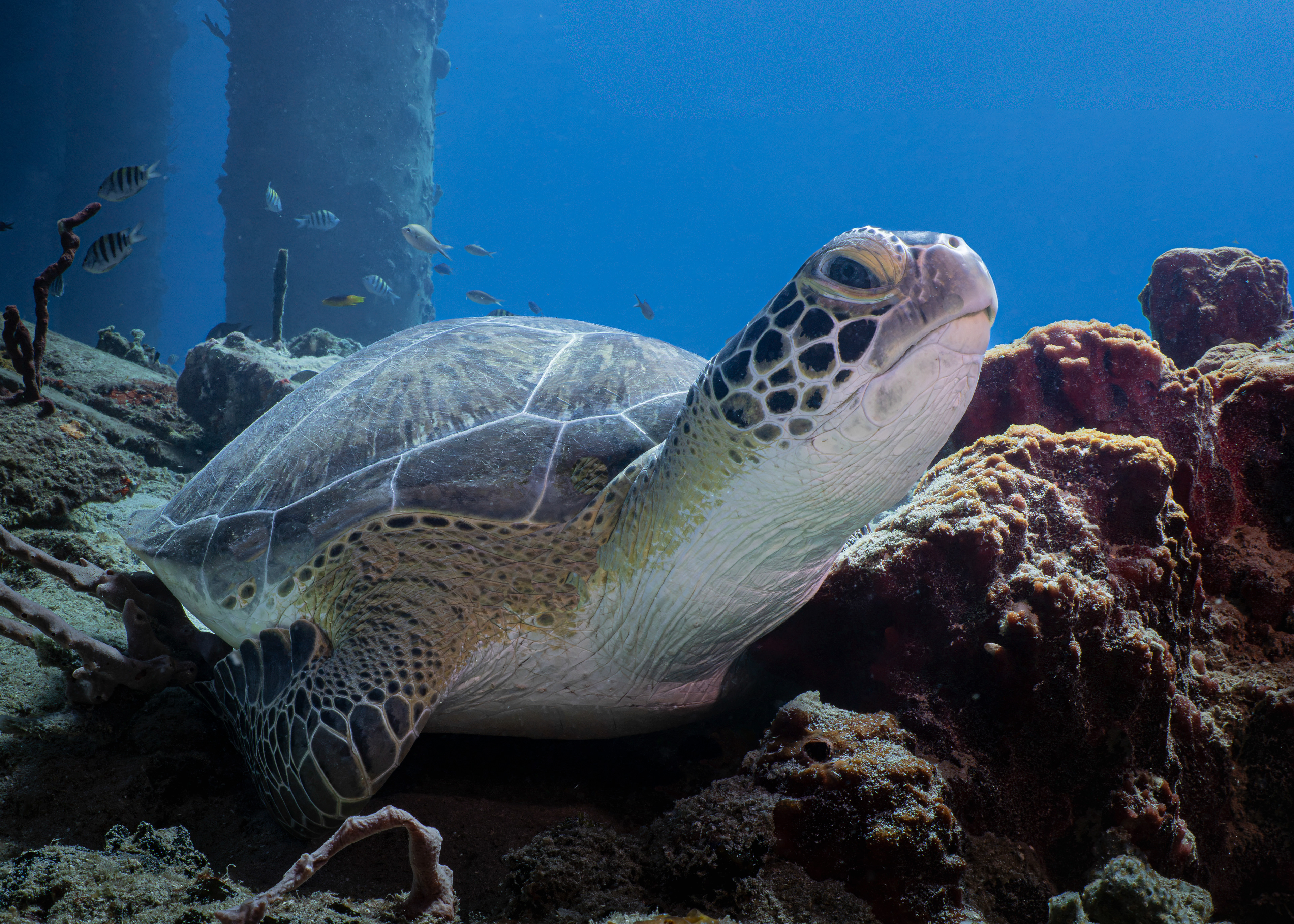
St. Croix is experiencing a massive boom in its green sea turtle population, serving as a vital underwater haven and nesting rookery in the Caribbean. This sleepy turtle was resting below the cruise ship pier and let me take a couple of shots before resuming its nap. St. Croix is the largest of the U.S. Virgin Islands (USVI). A major conservation comeback: Thanks to localized monitoring initiatives like saturation tagging, night patrols, and nest protection programs, threats like poaching, artificial light disorientation, and nest predation have been successfully mitigated. Organizations like the Nature Conservancy (TNC) Caribbean, National Save the Turtle Foundation, American Conservation Experience, U.S. Fish and Wildlife Service, National Park Service, and many local island merchants and residents have led these efforts.
Bonnethead Anemonefish, Solomon Islands
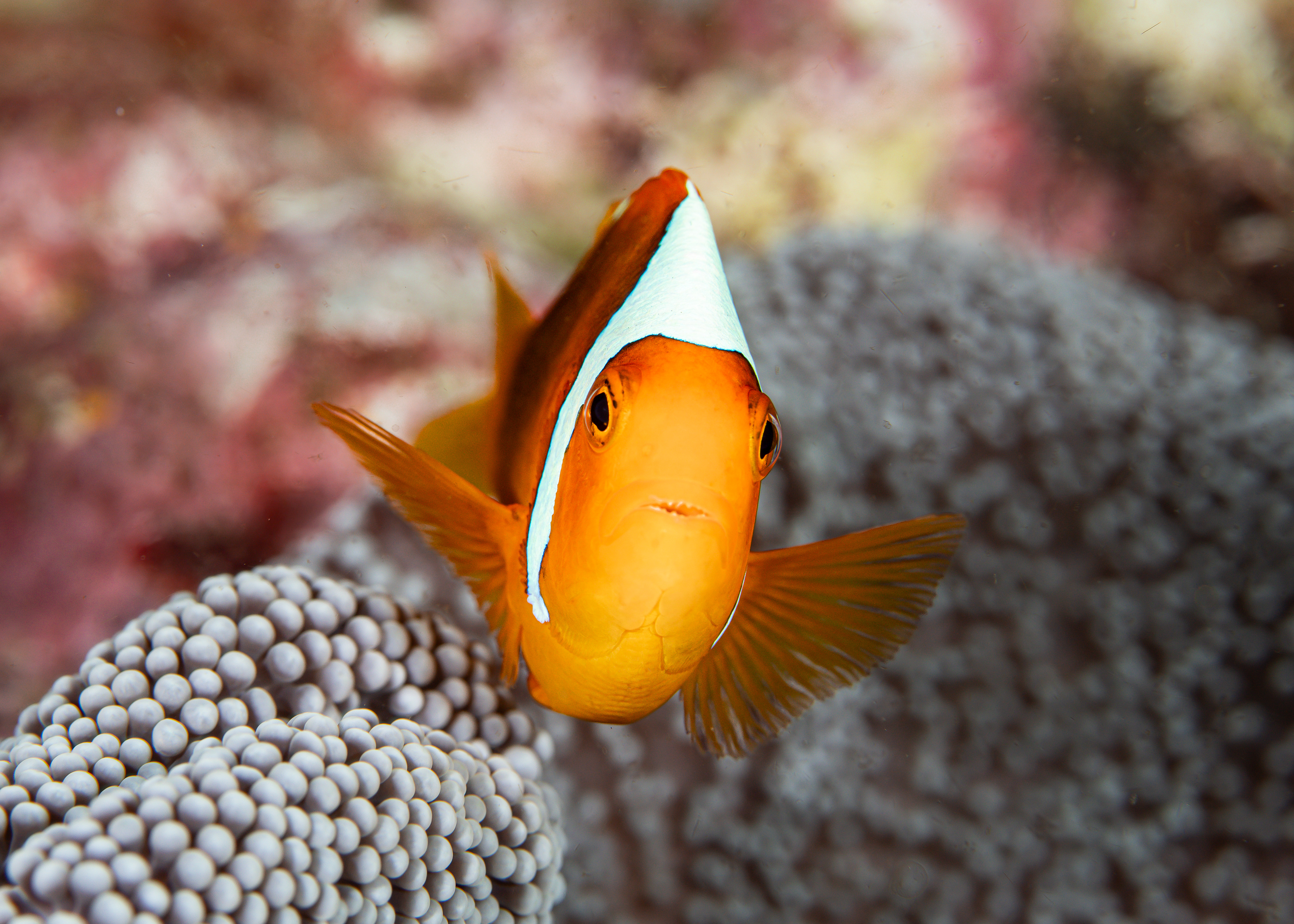
The White Bonnet Anemonefish is found exclusively in the vibrant coral reefs of Papua New Guinea and the Solomon Islands (where this photo was taken). The beautiful White Bonnet Anemonefish isn't just another pretty face on the reef—it is a rare, naturally occurring hybrid. This hybrid only happens when a female Orangefin Anemonefish mates with a male Orange Skunk Anemonefish. Because of strict, size-based reef hierarchies where the biggest fish rules, it is always this exact powerhouse parent combination. A Geographic Exclusive: These anemonefish exist only in the wild places where the territories of both parent species overlap. No two fish look exactly alike. Their signature white head markings vary wildly, ranging from a complete, flawless "bonnet" cap to broken, asymmetrical white spots and stripes. It is a true marvel of marine biology that proves just how dynamic and unpredictable life on the reef can be.
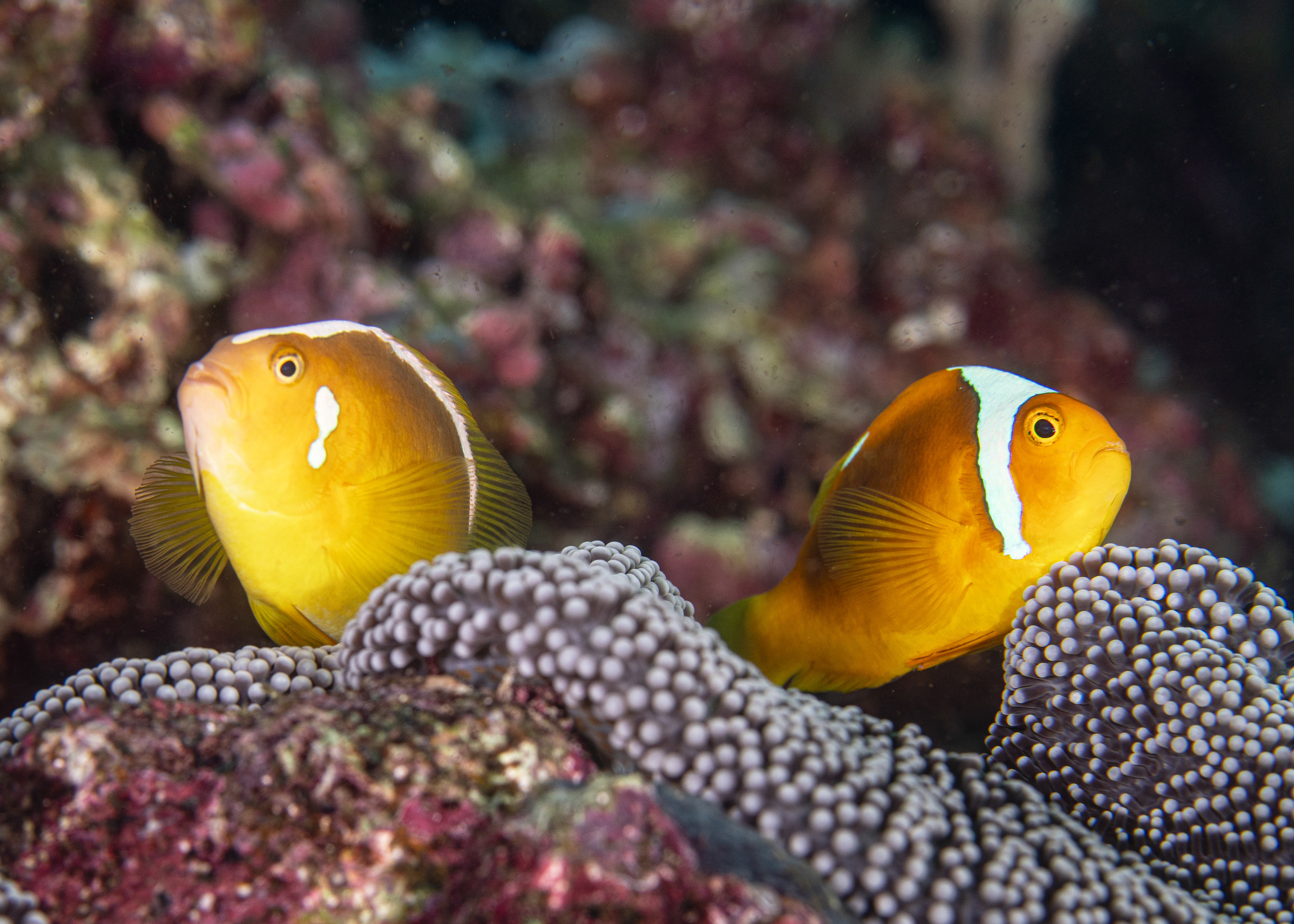
Bonnethead Anemonefish, Solomon Islands
Notice that these two White Bonnet Anemonefish have different markings! No two fish look exactly alike. Their signature white head markings vary wildly, ranging from a complete, flawless "bonnet" cap to broken, asymmetrical white spots and stripes. I had to wait patiently for this shot, as the one on the left has only a cheek mark on that side!
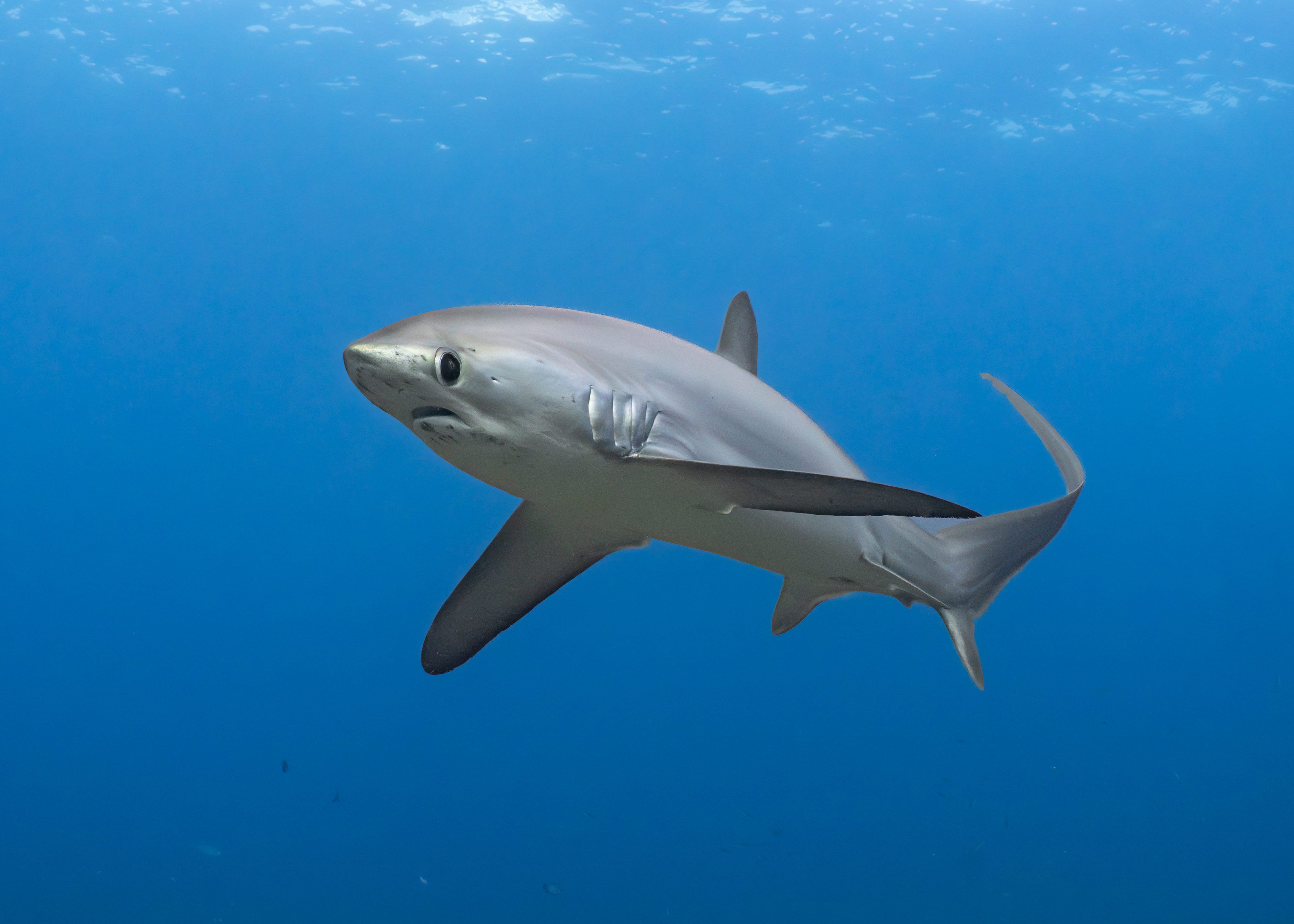
Thresher Shark, Kimud Shoal, Philippines
The thresher shark stands out as one of the most mechanically unique and fascinating predators in the open ocean, thanks to an extraordinary, scythe-like upper tail fin that can match its entire body length. Belonging to the family Alopiidae, which includes the Common, Bigeye, and Pelagic species, this shark bypasses traditional ambush tactics in favor of a specialized, martial arts-style hunting technique. Instead of relying solely on its jaws, the thresher uses its massive tail as a supersonic bullwhip, charging schools of fish like sardines before braking abruptly and snapping its tail forward over its head at speeds reaching up to 80 miles per hour. This movement is so violent that the tail tip generates a localized drop in water pressure, creating explosive vapor bubbles and a shockwave that instantly stuns or kills multiple fish at once. Beyond this lethal hunting strategy, threshers are highly advanced biological machines; they are regionally warm-blooded, utilizing a complex network of blood vessels called the rete mirabile to keep their core muscles and giant eyes warm in freezing deep-sea currents. Despite their formidable hunting prowess, large size—with the Common Thresher reaching up to 20 feet—and ability to launch their entire bodies completely out of the water in spectacular acrobatic breaches, these sharks pose virtually no threat to humans because of their exceptionally shy demeanor and tiny mouths. Unfortunately, their unique biology also makes them highly vulnerable. Thresher sharks mature slowly, and females give birth to only two to four live pups per litter after a nine-month gestation period, a slow reproductive rate that has caused populations to plummet into vulnerable and endangered status worldwide due to the pressures of commercial fishing and accidental net entanglement.
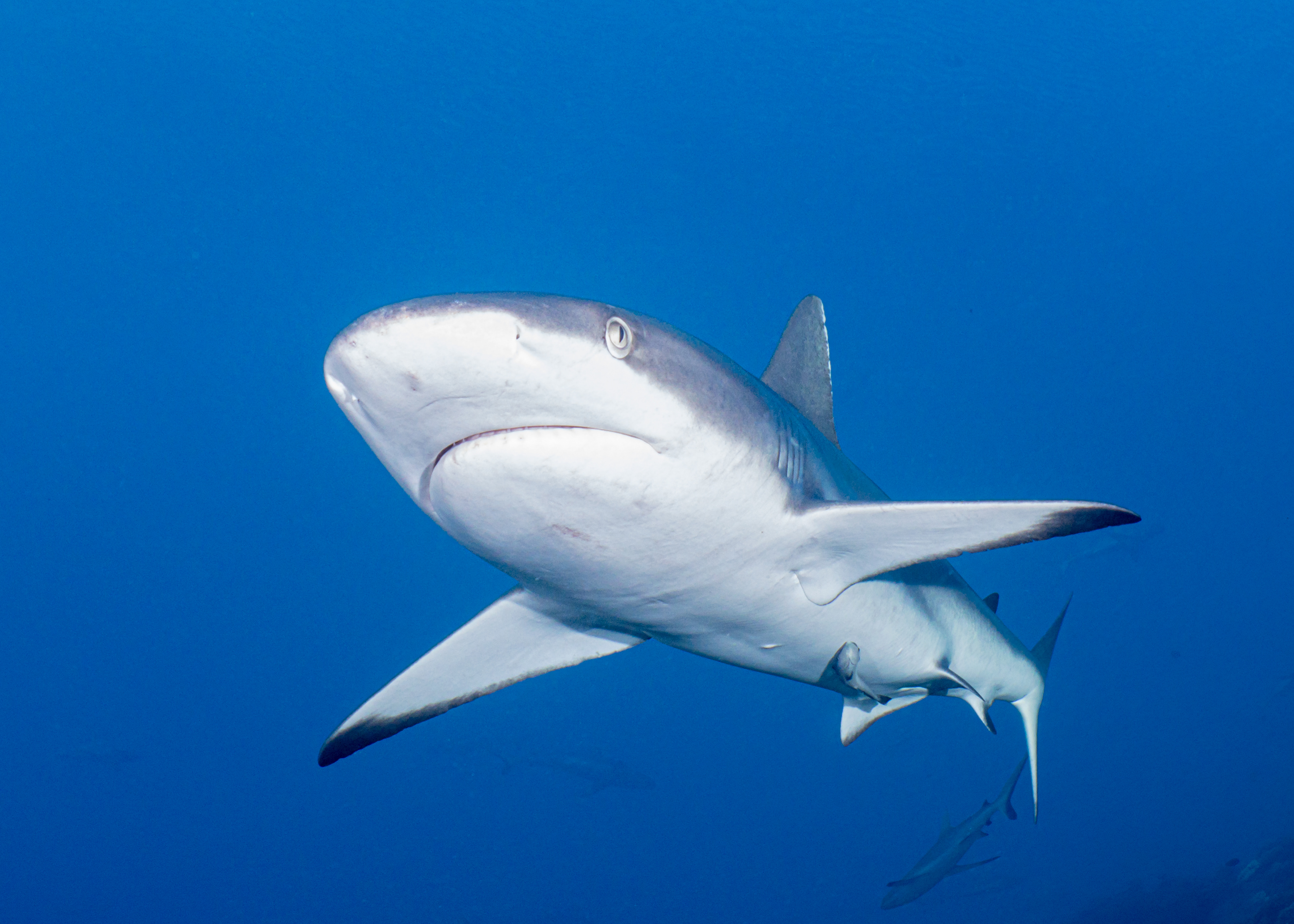
Grey Reef Shark, Fakarava, Tahiti
The "Wall of Sharks" in the South Pass of Fakarava (Tetamanu Pass) within French Polynesia stands as one of the world's greatest marine conservation triumphs. In 2006, French Polynesia established a massive shark sanctuary by banning shark fishing, allowing the grey reef shark (Carcharhinus amblyrhynchos) population to stage a remarkable recovery. Today, marine scientists document between 250 and 700 grey reef sharks packed into this single, narrow channel, representing one of the highest predator densities ever recorded on the planet. The sharks are drawn to this specific pass because the heavy, incoming tidal currents allow them to ram-ventilate—pushing oxygen-rich water through their gills with minimal swimming effort—while providing a highly concentrated hunting ground during annual grouper and camouflage snapper spawning events.
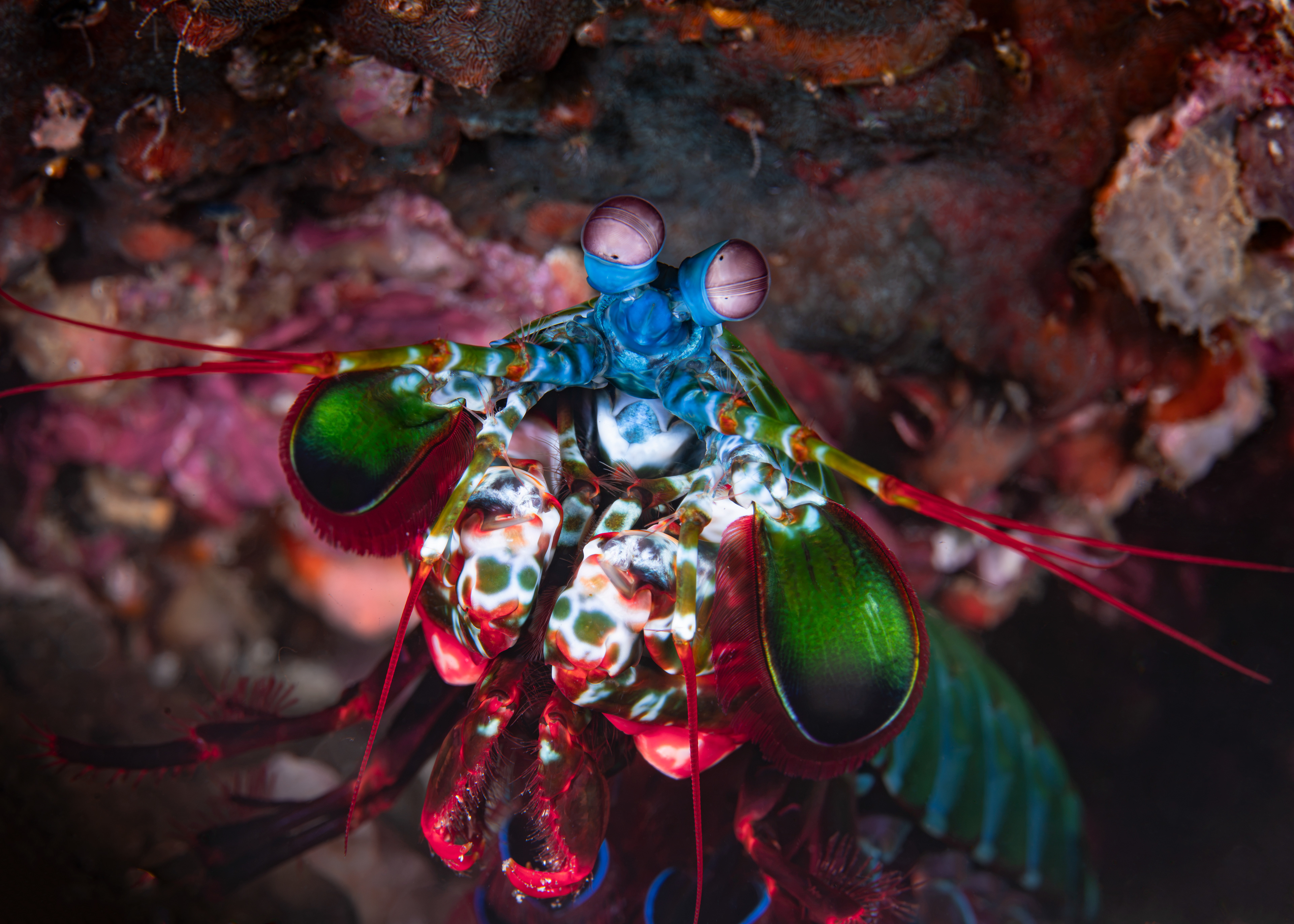
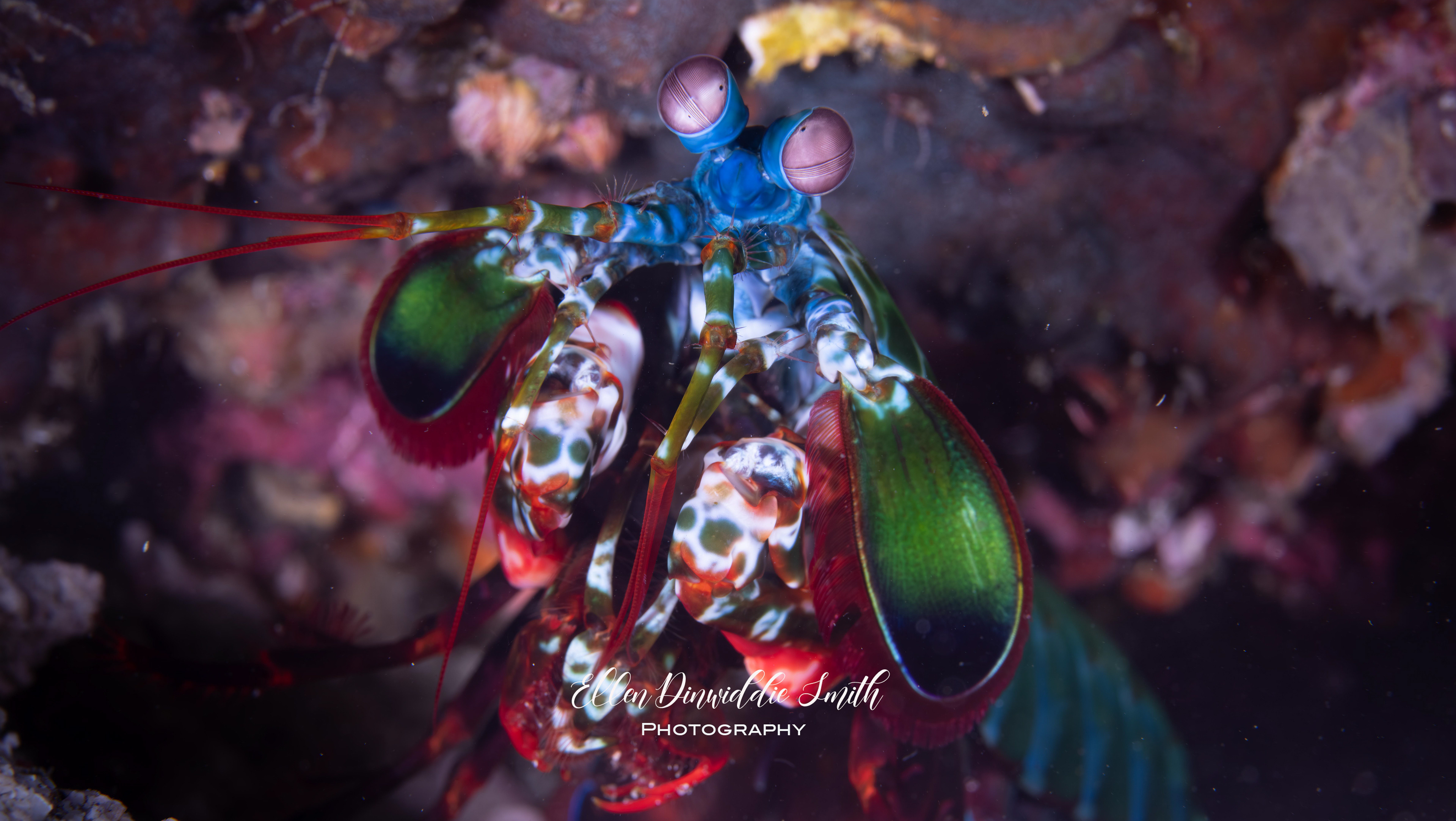
Peacock Mantis Shrimp, Komodo, Indonesia
Male mantis shrimp differ from females mainly by two small, stick-like appendages on their underbelly. These organs, known as petasmae, form a distinct "V" shape at the junction where the body meets the tail, positioned directly behind the final set of walking legs. Beyond anatomy, males exhibit specialized behaviors and physical adaptations driven by reproduction. They perform complex, rhythmic courtship dances and use specialized parts of their shell to reflect circularly polarized light. This unique visual signal is invisible to most ocean predators but allows males to safely communicate their presence and reproductive readiness to potential mates. Depending on the species, a male's investment in a partnership ranges from a single, high-risk mating encounter to a lifelong, monogamous bond where the male shares a burrow and actively hunts to provide food for the female.
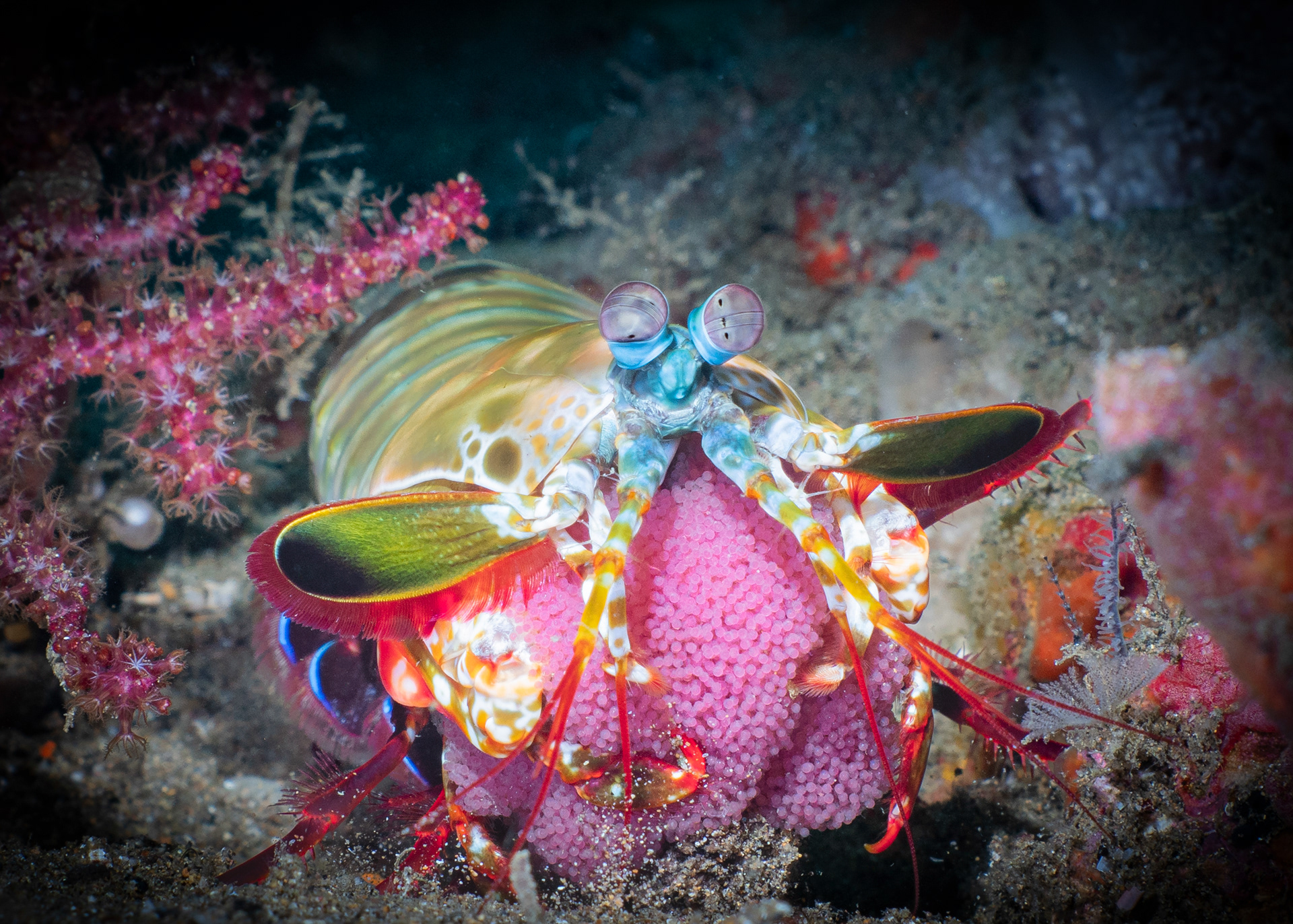
Peacock Mantis Shrimp with eggs, Anilao, Philippines
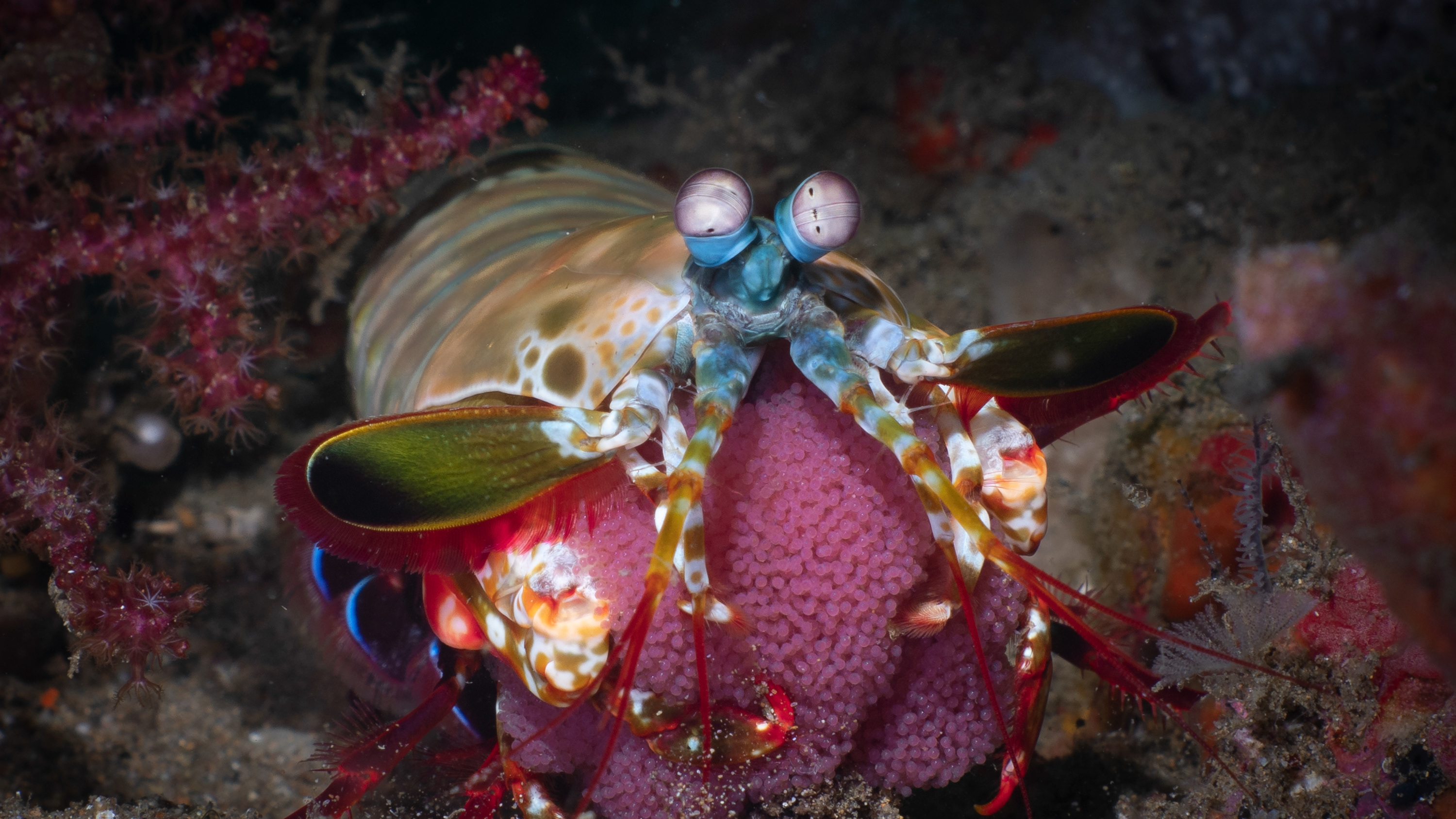
Anilao, Philippines is globally recognized by underwater photographers as a premier macro-diving destination, renowned for frequent and dramatic encounters with the Peacock Mantis Shrimp (Odontodactylus scyllarus). Witnessing a female brooding her eggs is a highlight for divers, as it showcases highly specialized, protective maternal behavior. Unlike species that abandon their spawn or glue them to their shells, the female peacock mantis shrimp produces a cohesive, gelatinous egg ribbon that she gathers and carries tightly against her chest using her specialized front limbs. During this multi-week incubation period, she is completely dedicated to aerating and cleaning the clutch, which severely limits her ability to use her famous, high-velocity raptorial clubs to hunt or defend herself. To minimize risk, she rarely leaves the safety of her burrow, offering patient divers a rare glimpse of her intensely colored, orange-pink egg mass nestled beneath her independently rotating compound eyes.
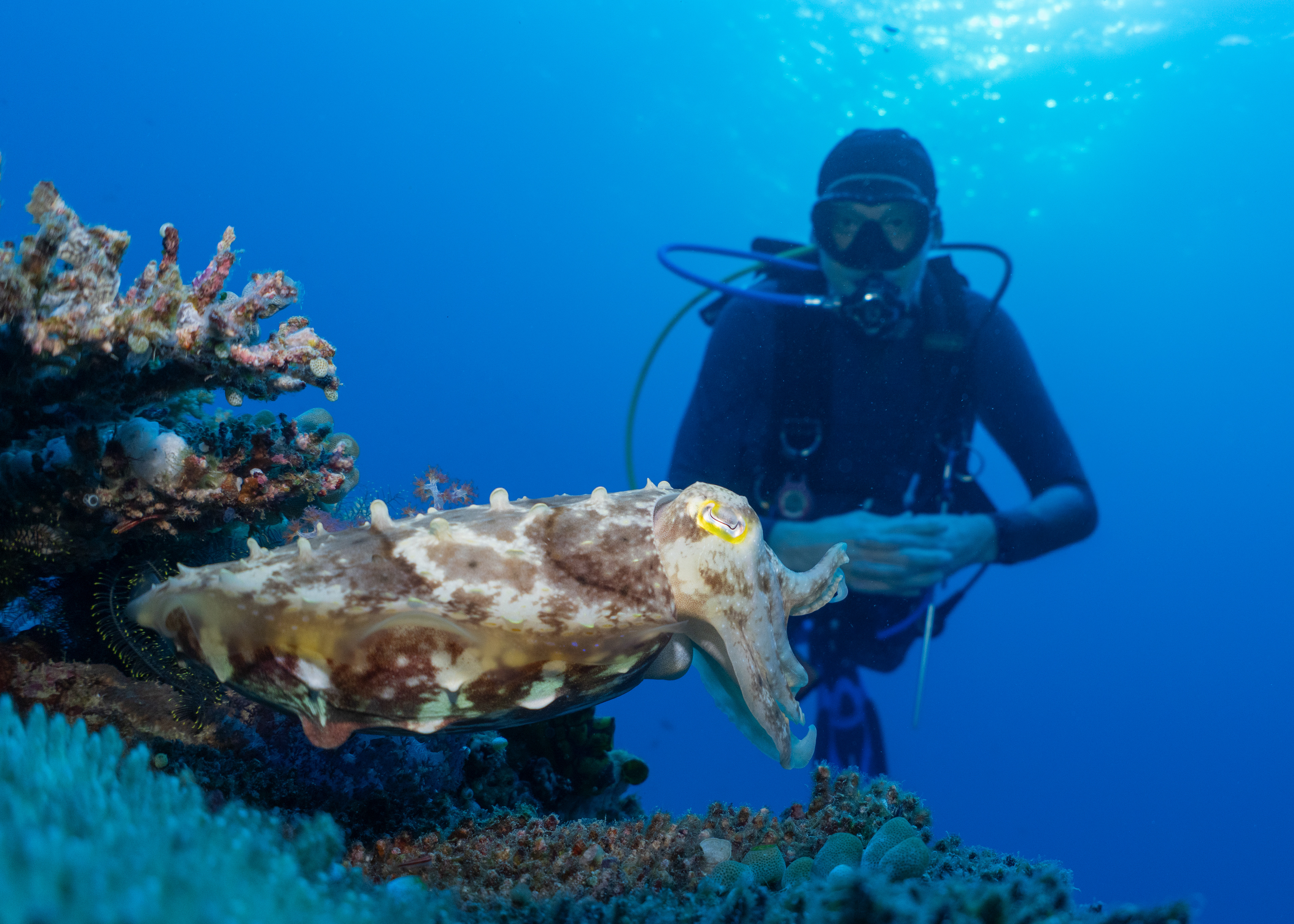
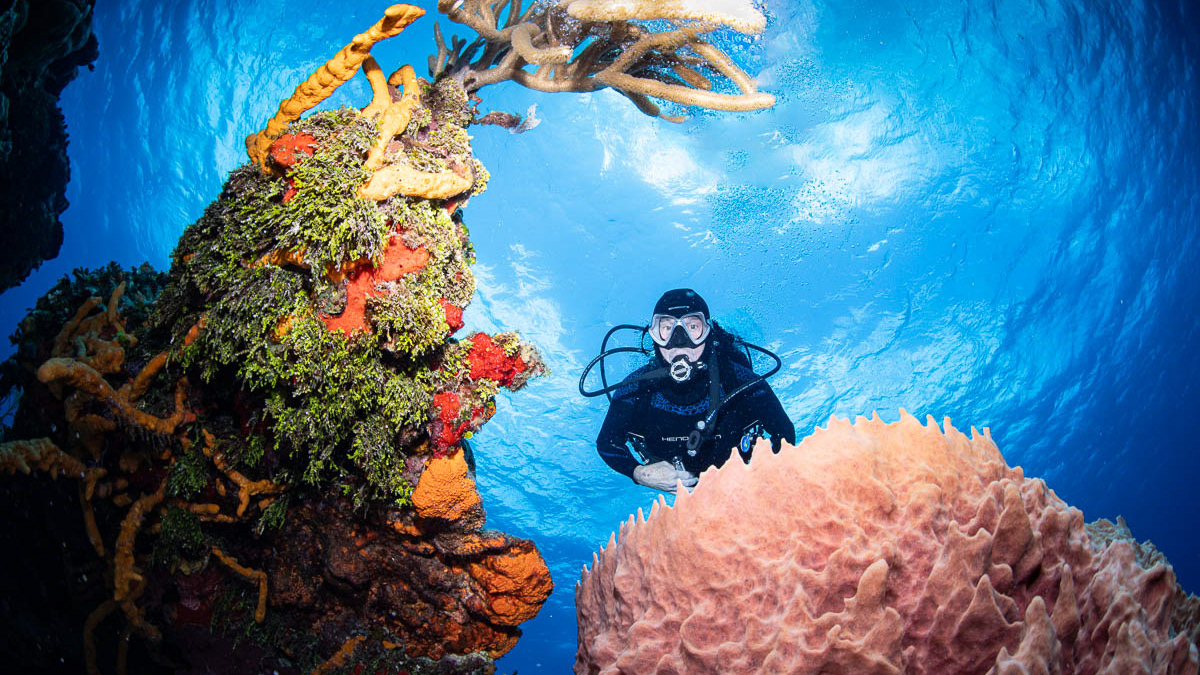
Broadclub Cuttlefish and Mark Russell Smith, Komodo, Indonesia
Cuttlefish in Indonesia's Komodo National Park are a premier highlight for divers due to the region's nutrient-rich marine currents that support thriving coral ecosystems. The park is home to two primary species: the impressive broadclub cuttlefish (Sepia latimanus), which is the second-largest cuttlefish species in the world, and the smaller, highly venomous flamboyant cuttlefish (Metasepia pfefferi), known for walking along the seabed rather than swimming. These cephalopods are masters of camouflage, utilizing specialized skin cells called chromatophores to instantly alter their color, pattern, and skin texture to blend with the surrounding reef or to communicate. They are most frequently encountered at shallow reef and sandy slope dive sites such as Siaba Besar and Sebayur Kecil, particularly during the dry season from April to November, when water visibility is at its peak.
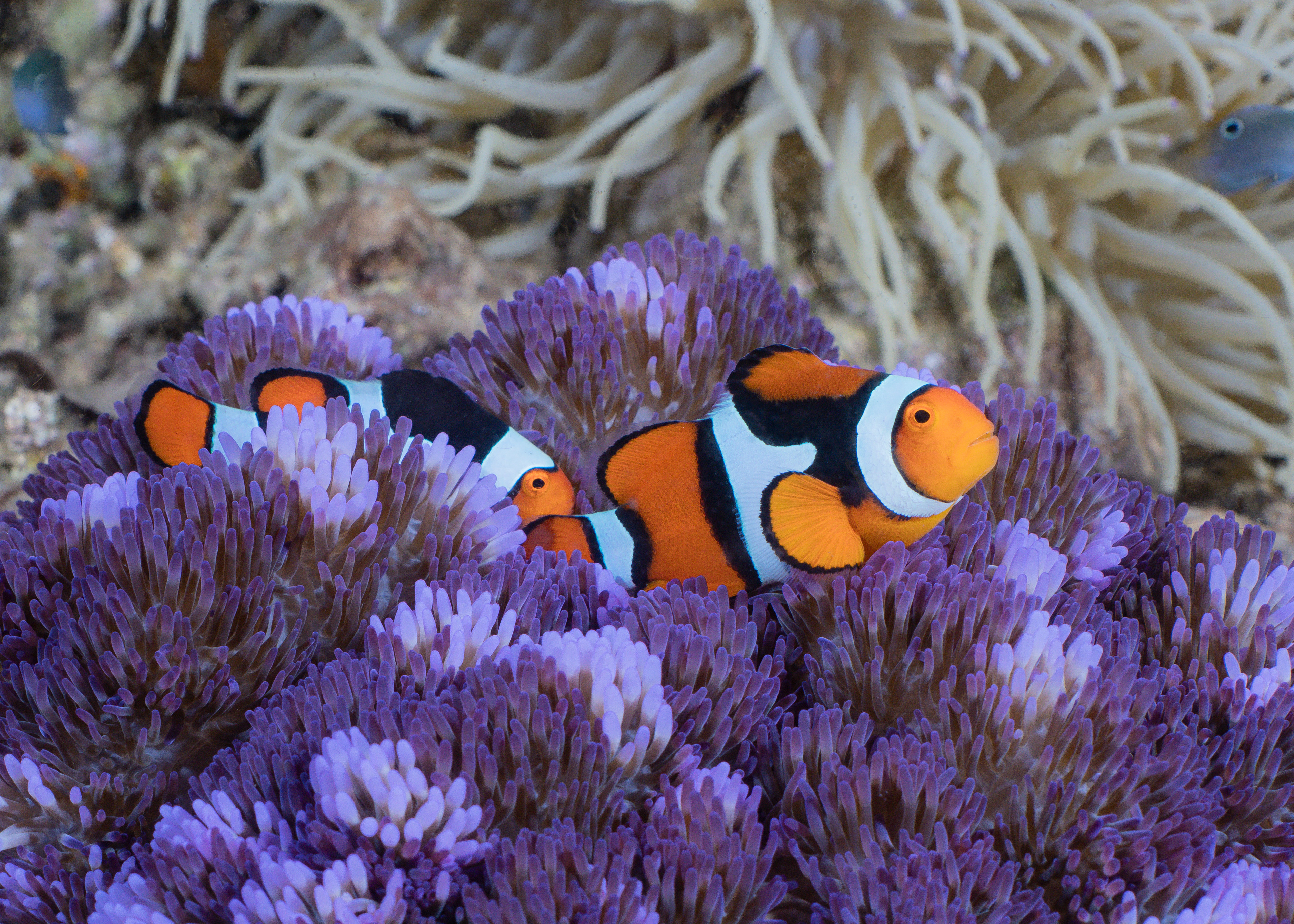
Amphiprion percula Anemonefish, Solomon Islands
The legendary "black t-shirt," or Onyx variant of Amphiprion percula, found naturally in the Solomon Islands, represents an extraordinary example of localized color polymorphism in marine life. While typical wild true percula clownfish are predominantly orange with thin black borders framing their vertical white stripes, these specific island populations possess a genetic predisposition to produce massive amounts of dark melanin as they grow into maturity. This process begins during adolescence as a small smudge along the dorsal ridge—often called a "black jacket"—which steadily expands downward with age until it completely engulfs the orange flanks between the first, second, and third white bands. Ultimately, a prime adult specimen displays a striking, pitch-black midsection that contrasts brilliantly against a stark orange face, belly, and pectoral fins. Interestingly, this melanistic trait is highly dynamic and coexists directly alongside standard orange morphs within the exact same reef systems, meaning a single sea anemone in the Solomons can simultaneously host standard, transitional, and fully "black t-shirt" patterned individuals.
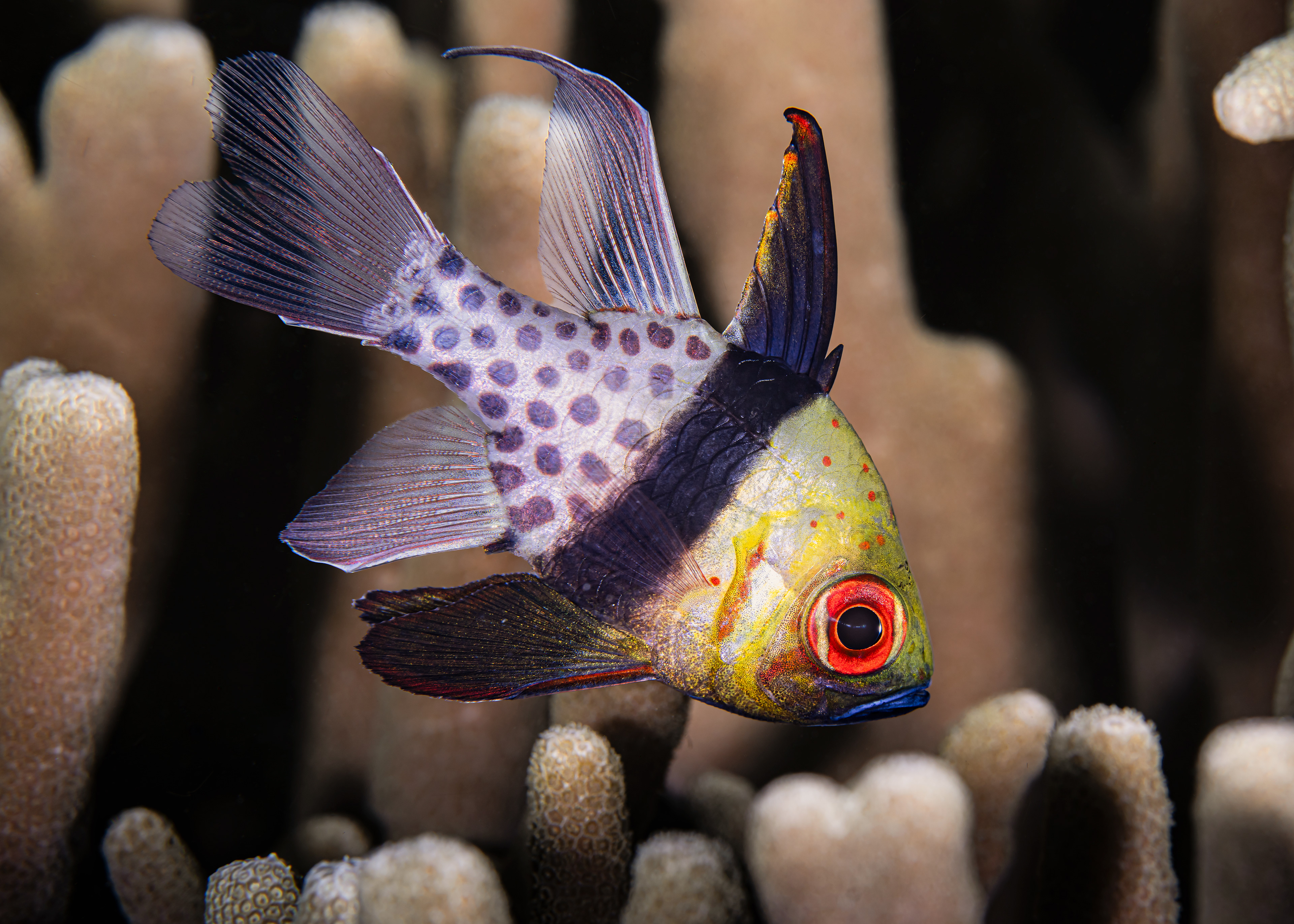
Pajama cardinalfish, Solomon Islands
The Pajama Cardinalfish (Sphaeramia nematoptera) is a remarkably distinct marine fish native to the tropical waters of the Western Pacific, including the vibrant coral reefs and sheltered lagoons of the Solomon Islands. Reaching an adult size of roughly 3 to 3.5 inches, this species is celebrated for its highly unusual, geometric color patterns that resemble an eclectic set of sleepwear. Its body is visually divided into three distinct sections: a bright greenish-yellow head dominated by large, vivid red eyes, a bold, vertical black waistband wrapping around its center, and a silver-grey rear flank covered in a scattering of playful reddish-purple polka dots. In their natural habitat across the Solomon Islands, these fish prefer shallow, calm environments such as bays and lagoons at depths between 5 and 50 feet. They are highly social yet stationary during the daytime, gathering in tight schools that hover motionlessly within the dense, protective branches of staghorn and Porites corals to evade predators. At dusk, the school disperses and uses its large, light-sensitive red eyes for nocturnal hunting. They spend the night feeding in the open water column, preying primarily upon zooplankton, copepods, and tiny pelagic crustaceans.
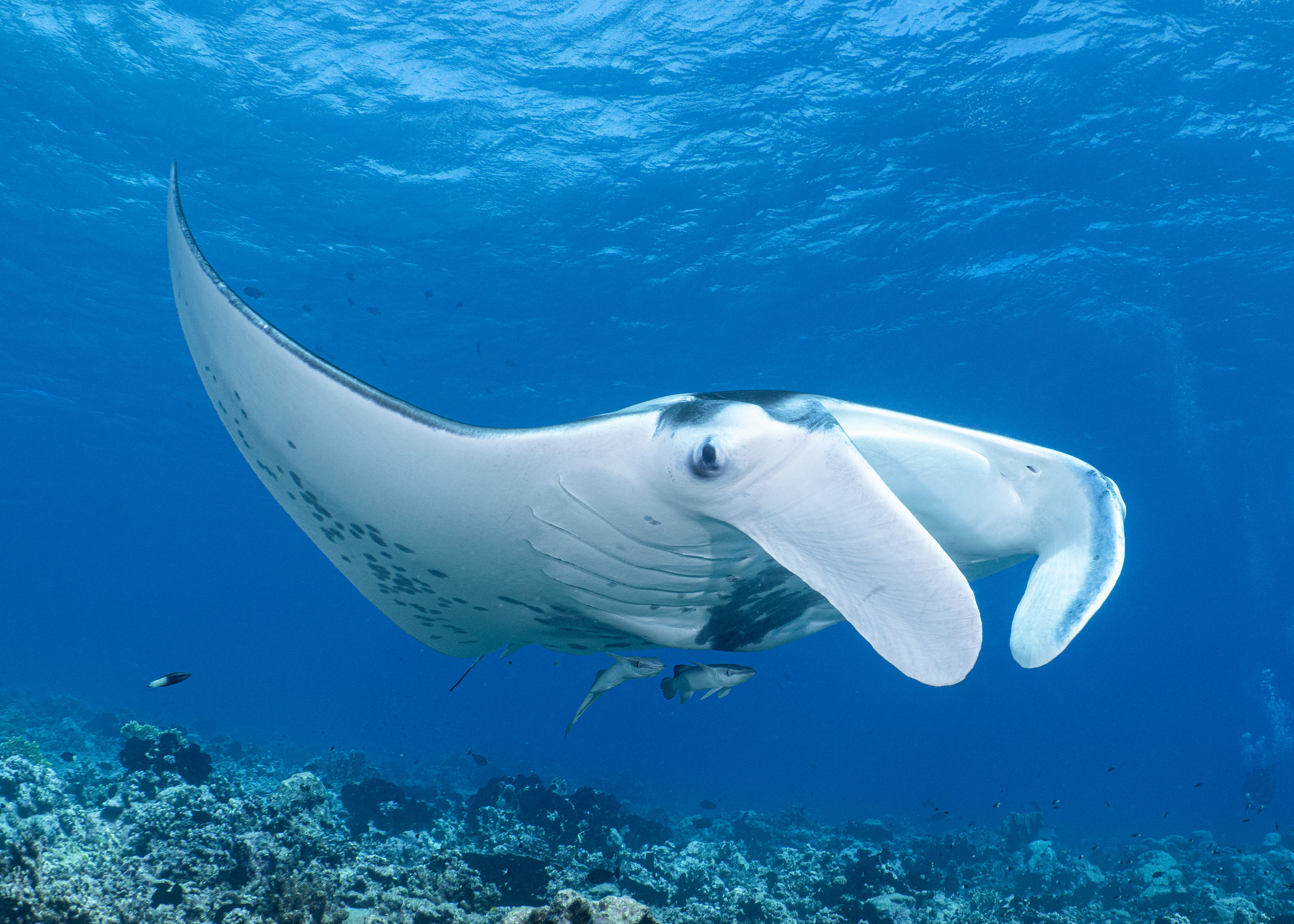
Reef Manta Ray, Toau, Tahiti
Reef manta rays are a protected and highly sought-after highlight of underwater exploration across French Polynesia, including the remote Toau Atoll. Located in the Tuamotu Archipelago near Fakarava, Toau features the famed Otugi Pass, where calm currents and excellent visibility provide ideal conditions for observing these gentle giants at local reef cleaning stations. While Toau is most accessible via liveaboard cruises, travelers exploring the wider islands of Tahiti can also reliably find resident reef manta rays in the shallow lagoons of Maupiti, Bora Bora, and Tikehau, particularly during the peak plankton-rich months of June through October.
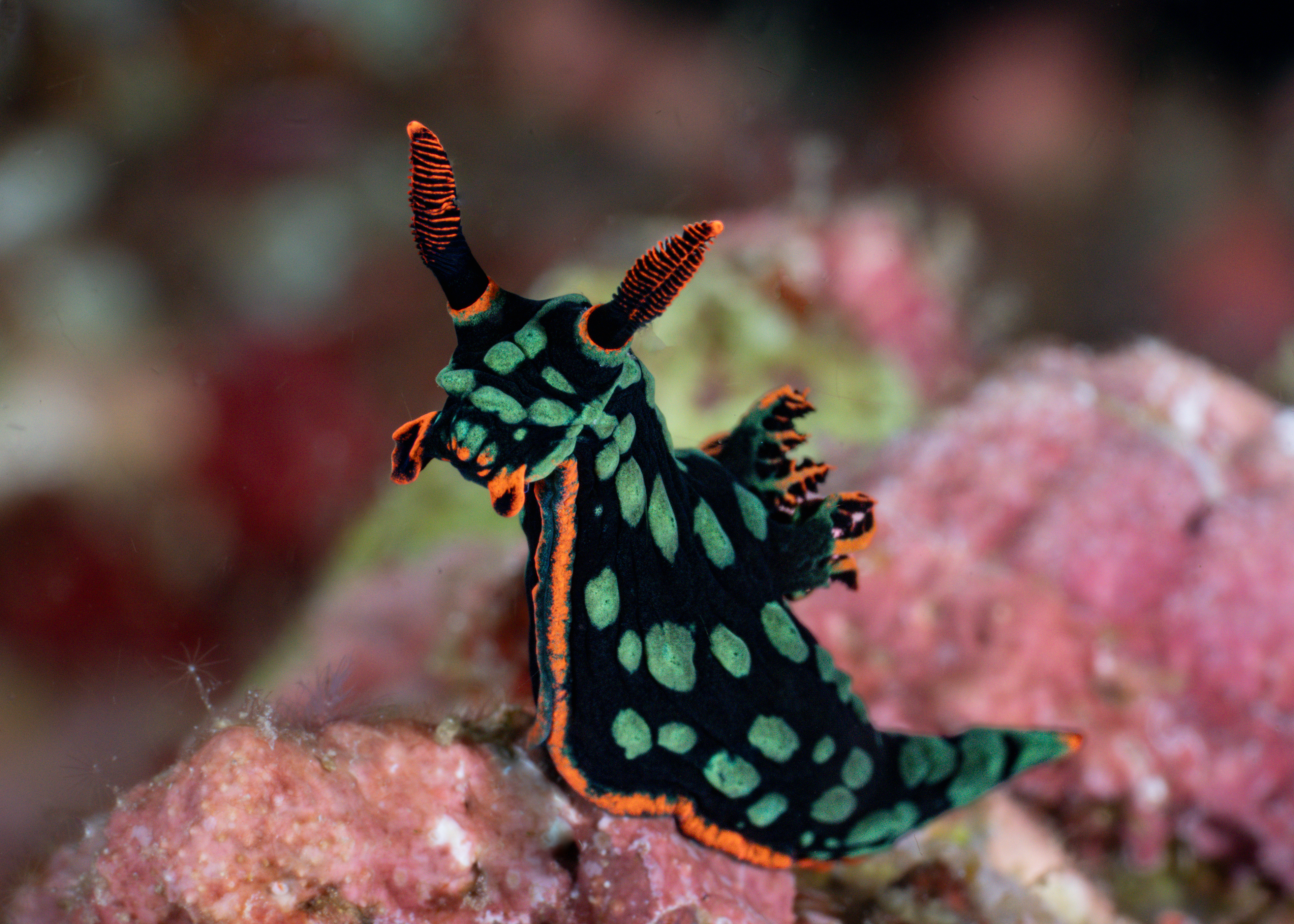
Nembrotha kubaryana (variable neon sea slug), Solomon Islands
The variable neon sea slug (Nembrotha kubaryana) is a striking nudibranch species found on the coral reefs of the Solomon Islands. It features a large, dark green or black body accented by brilliant neon-green stripes or bumps, alongside vivid red or orange margins on its foot and tentacles. This marine mollusk thrives in shallow tropical waters down to 30 meters, where it feeds on colonial sea squirts. By consuming these organisms, it absorbs their toxic compounds to create a chemical defense mechanism and warns off potential predators with its intense coloration.
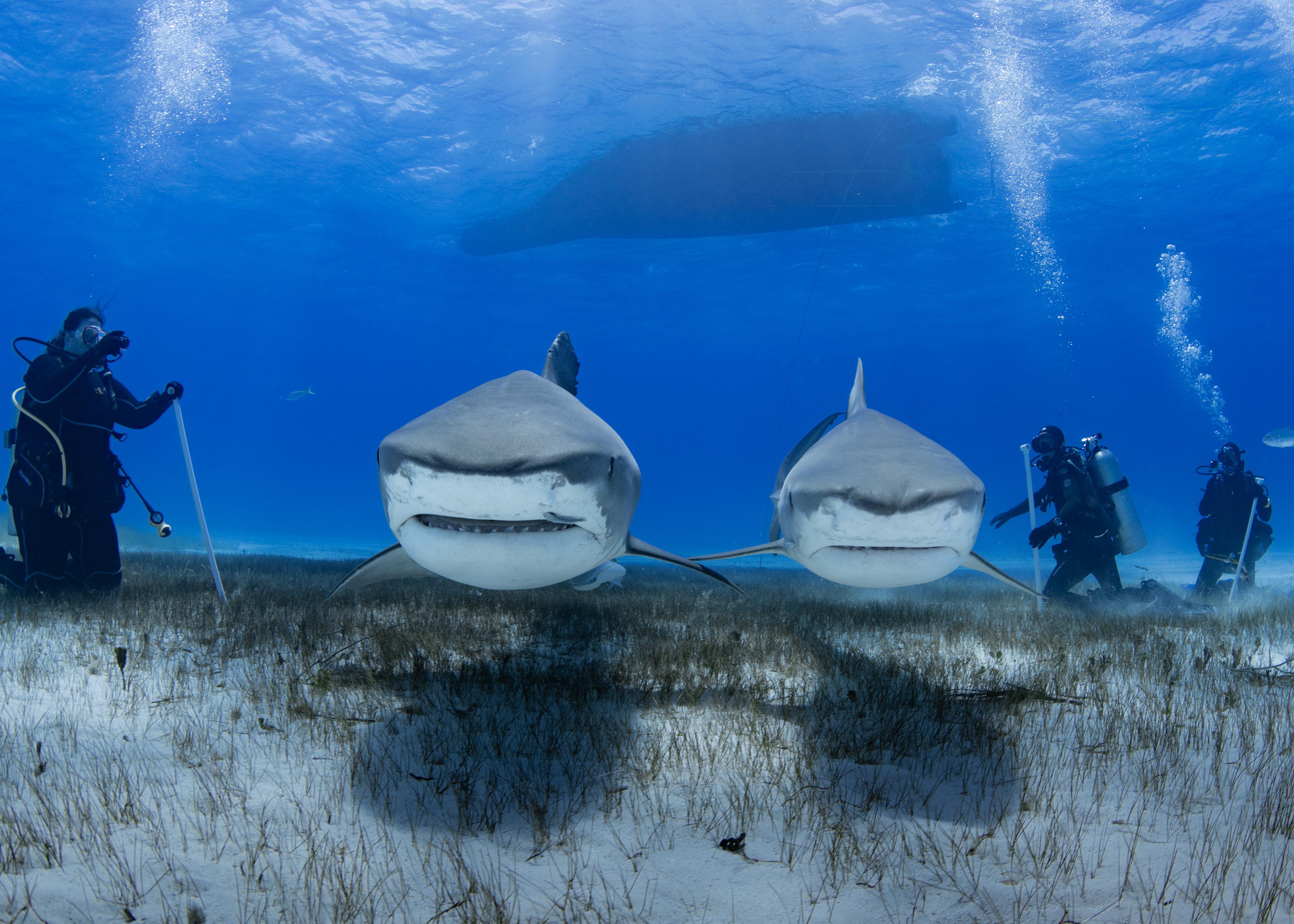
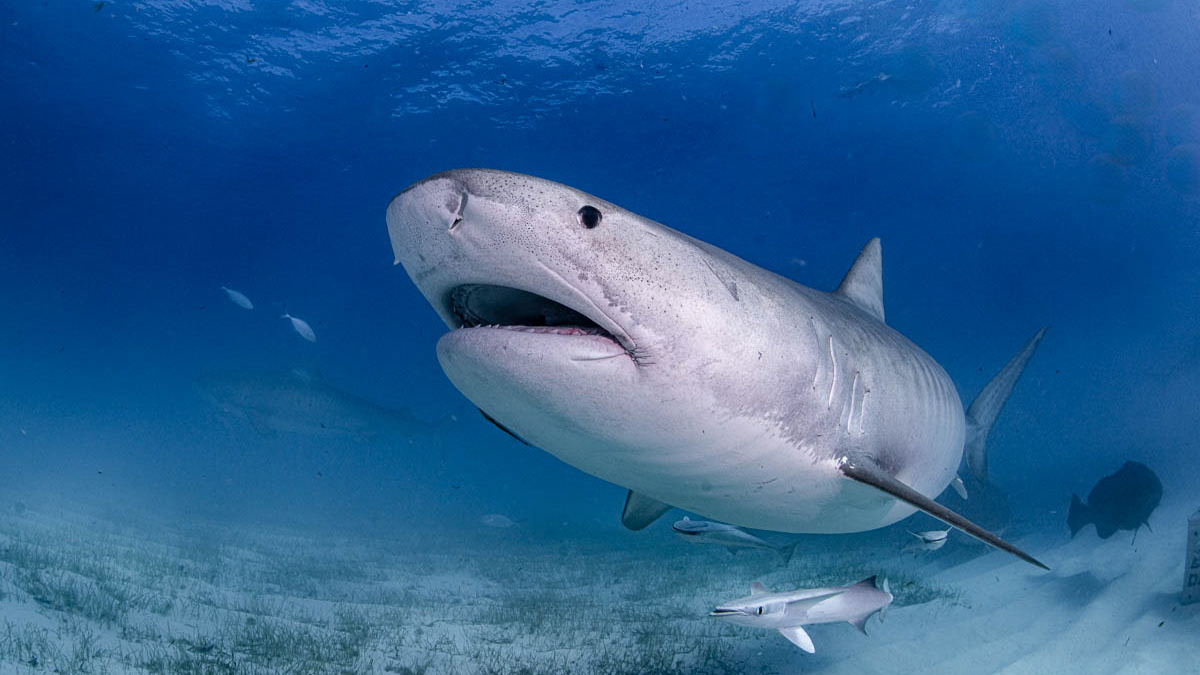
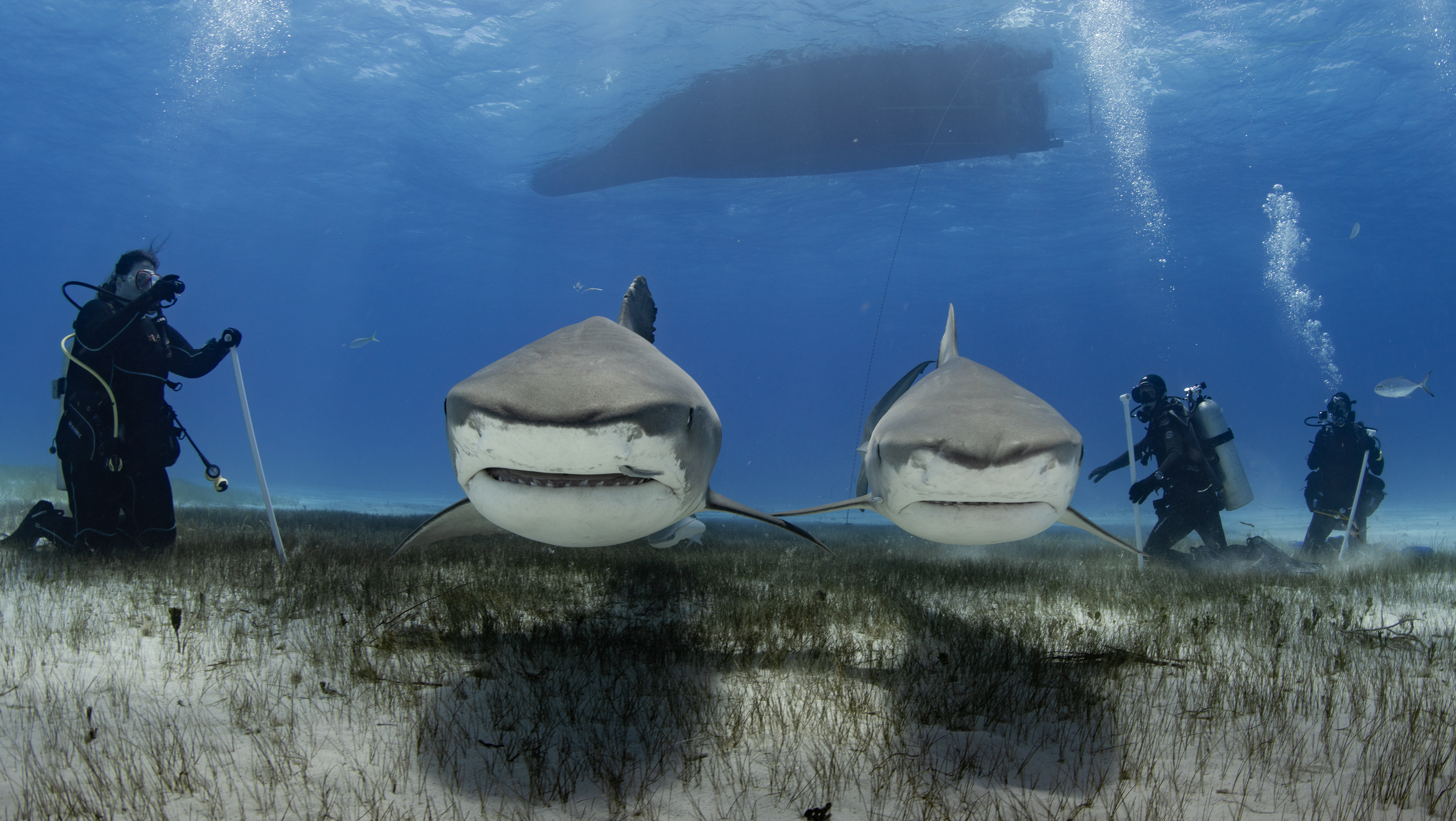
Tiger Shark Double Trouble, Tiger Beach, Bahamas
Diving with tiger sharks at Tiger Beach is a thrilling, cage-less experience where you kneel directly on a shallow, sunlit white sand bottom at depths of just 20 to 50 feet. Surrounded by crystal-clear turquoise water, you watch as massive adult female tiger sharks—often measuring 13 to 16 feet long—glide calmly and purposefully within inches of your mask. Guided by expert handlers who manage controlled, baited crates, the encounters are surprisingly peaceful, offering photographers and thrill-seekers an unparalleled, face-to-face look at one of the ocean's most majestic apex predators alongside dozens of swirling lemon and reef sharks.
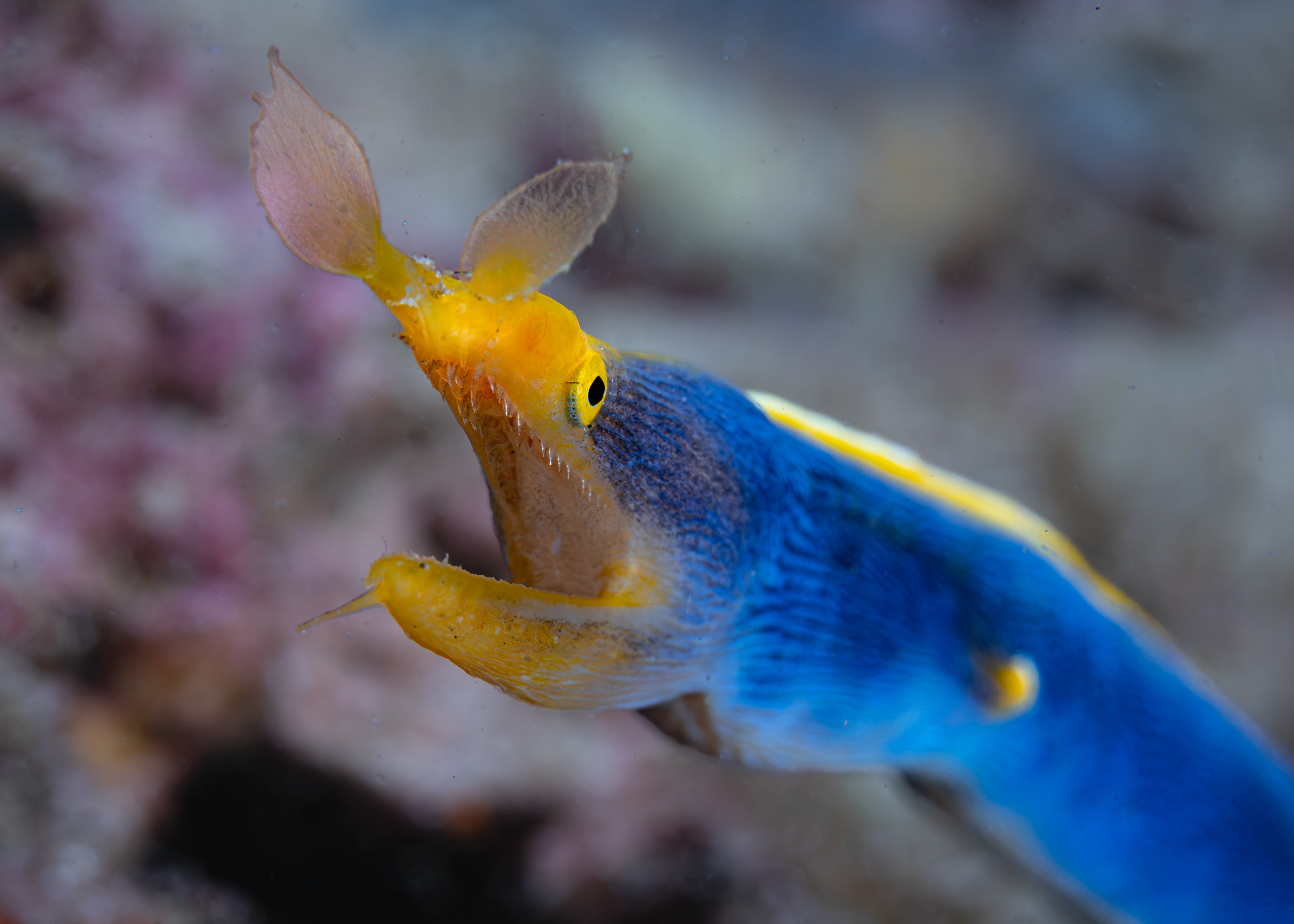
Adult Male Ribbon Eel, Anilao, Philippines
The adult male ribbon eel (Rhinomuraena quaesita) is one of the most remarkable macro subjects encountered along the volcanic sand slopes and coral rubble fields of Anilao, Philippines. As a protandric hermaphrodite, this species undergoes a dramatic color and sex transformation over its lifespan, starting as a black juvenile before transitioning into a vibrant, electric-blue adult male with a brilliant yellow dorsal fin and flared, leaf-like nostrils. Typically found at depths between 15 and 60 feet (5 to 18 meters) at famous muck sites like Secret Bay and Basura, these delicate predators anchor themselves securely inside benthic burrows. Divers often see them extend into the water column, rhythmically opening and closing their mouths—a vital respiratory mechanism that pumps water over their gills rather than an aggressive display. Because they are highly sensitive to pressure shifts and acoustic disturbances, underwater photographers must utilize a low, slow approach and careful buoyancy control to capture their striking coloration before the eels retreat entirely into the substrate.
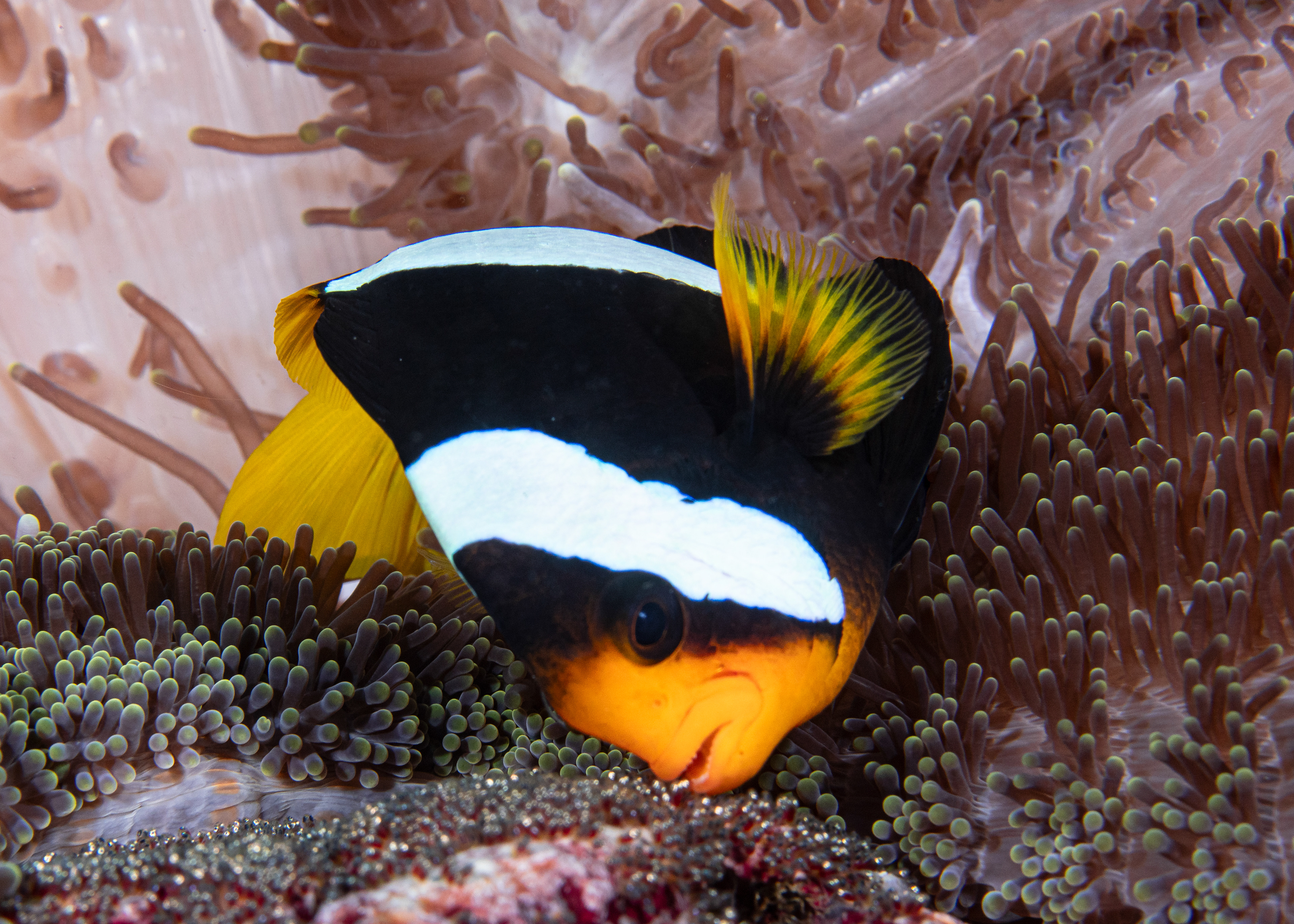
Clark's Anemonefish with eggs
The Clark's anemonefish (Amphiprion clarkii) is a fiercely protective parent often seen guarding its egg clutches along Indo-Pacific reefs. Unlike many marine species that broadcast spawn into the open ocean, a breeding pair of Clark's anemonefish cleans a bare patch of rock right at the base of their host anemone, where the female deposits hundreds to thousands of sticky, capsule-shaped eggs. Over the 6-to-10-day incubation period, the larger female and her male mate continuously tend to the nest, aggressively chasing away potential predators and using their fins to fan fresh, oxygen-rich water over the developing embryos. As the eggs mature, their coloration shifts dramatically from bright orange or pinkish hues to dark, metallic silver, revealing the larvae's tiny, glittering eyes just before they hatch under cover of darkness.
Note: This is a teaser for the second pack I’m working on! You won’t find this in the first pack of 10 cards.
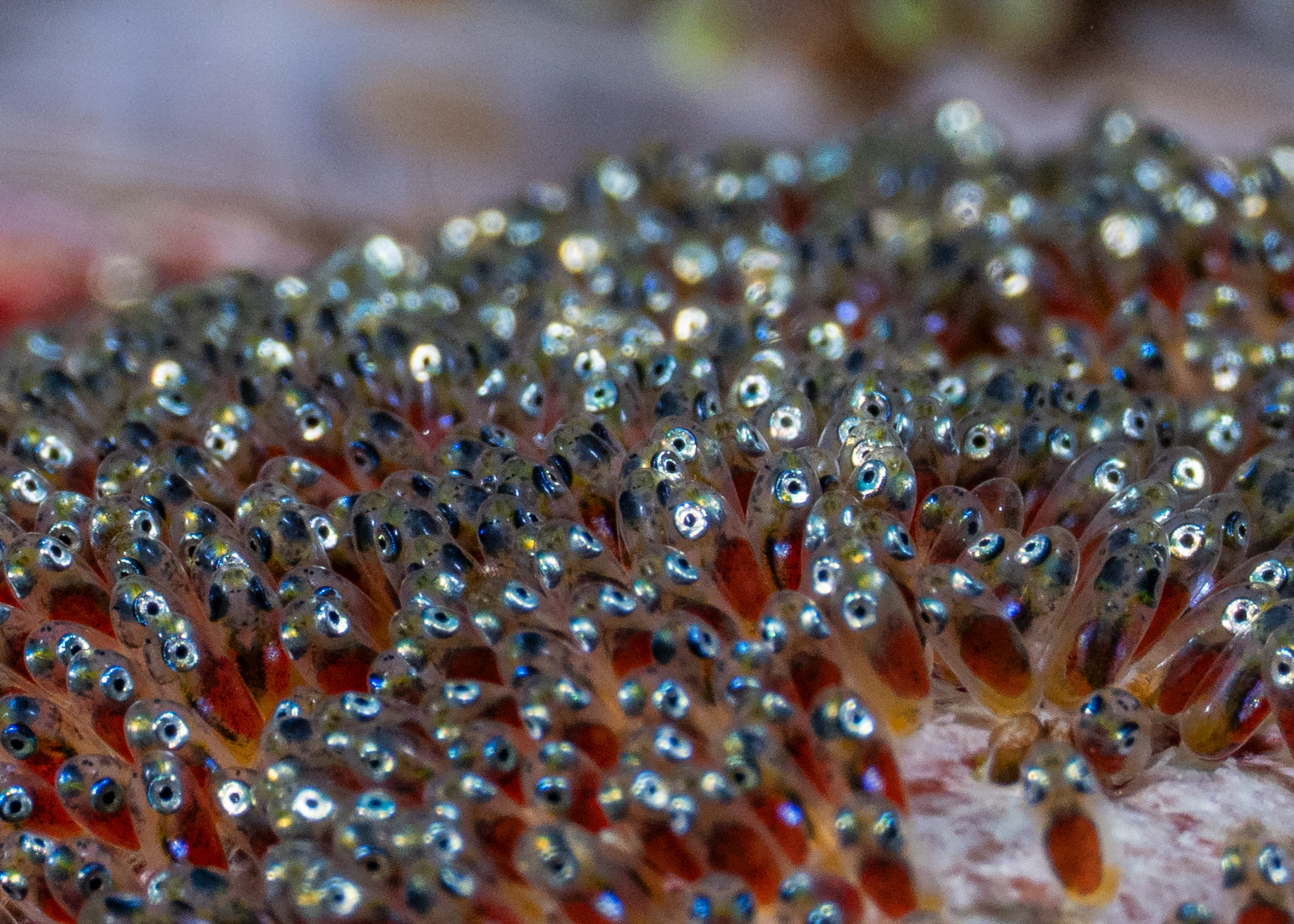
Anemonefish eggs (Clark’s)
The glittering eyes of the embryos!
Note: This is a teaser for the second pack I’m working on! You won’t find this in the first pack of 10 cards.